



By Amb. Mallam Ibrahim Agunbiade
The recent petition by Nigeria’s Minister of Power, Chief Adebayo Adelabu, to the Department of State Services (DSS) against Primate Elijah Ayodele has been widely discussed as a case of alleged spiritual extortion. While attention has largely focused on the cleric, a more important moral question remains unanswered: what role did the minister himself play in encouraging the very system he now condemns?
According to reports, the minister engaged a prophetic figure in matters relating to his 2027 Oyo State governorship ambition. Although he later rejected the alleged financial demands and sought legal redress, faith traditions, both Islamic and Christian place greater emphasis on avoiding such engagements altogether, not merely withdrawing from them when they become uncomfortable.
The Bible strongly condemns prophecy tied to material benefit or political advantage. Scripture states: “Thus says the LORD concerning the prophets who lead my people astray, who cry ‘Peace’ when they have something to eat, but declare war against him who puts nothing into their mouths.” (Micah 3:5)
Any prophecy that promises success when demands are met and predicts failure when they are refused contradicts biblical teaching. The Bible further warns against deceptive spiritual assurances: “They are prophets of the deceit of their own hearts.” (Jeremiah 14:14)

“For God is not the author of confusion, but of peace.” (1 Corinthians 14:33)
From an Islamic perspective, the minister’s conduct raises even more serious concerns. Islam commands exclusive reliance on Allah: “And rely upon Allah; and sufficient is Allah as Disposer of affairs.” (Qur’ān 33:3)
Political outcomes fall within the unseen (al-ghayb), which no human being controls: “Say: None in the heavens and the earth knows the unseen except Allah.” (Qur’ān 27:65)
Engaging prophetic figures for political assurance, particularly outside Islamic belief contradicts tawḥīd and weakens public trust in faith.
Islam also defines leadership as a trust (amānah), not a mystical entitlement: “Indeed, Allah commands you to render trusts to whom they are due and when you judge between people, judge with justice.” (Qur’an 4:58)
Public officials shape public morality. When politicians seek prophetic validation, they legitimise a system that commercialises religion and exploits fear. Legal action may address alleged wrongdoing, but it cannot correct faith inconsistency.
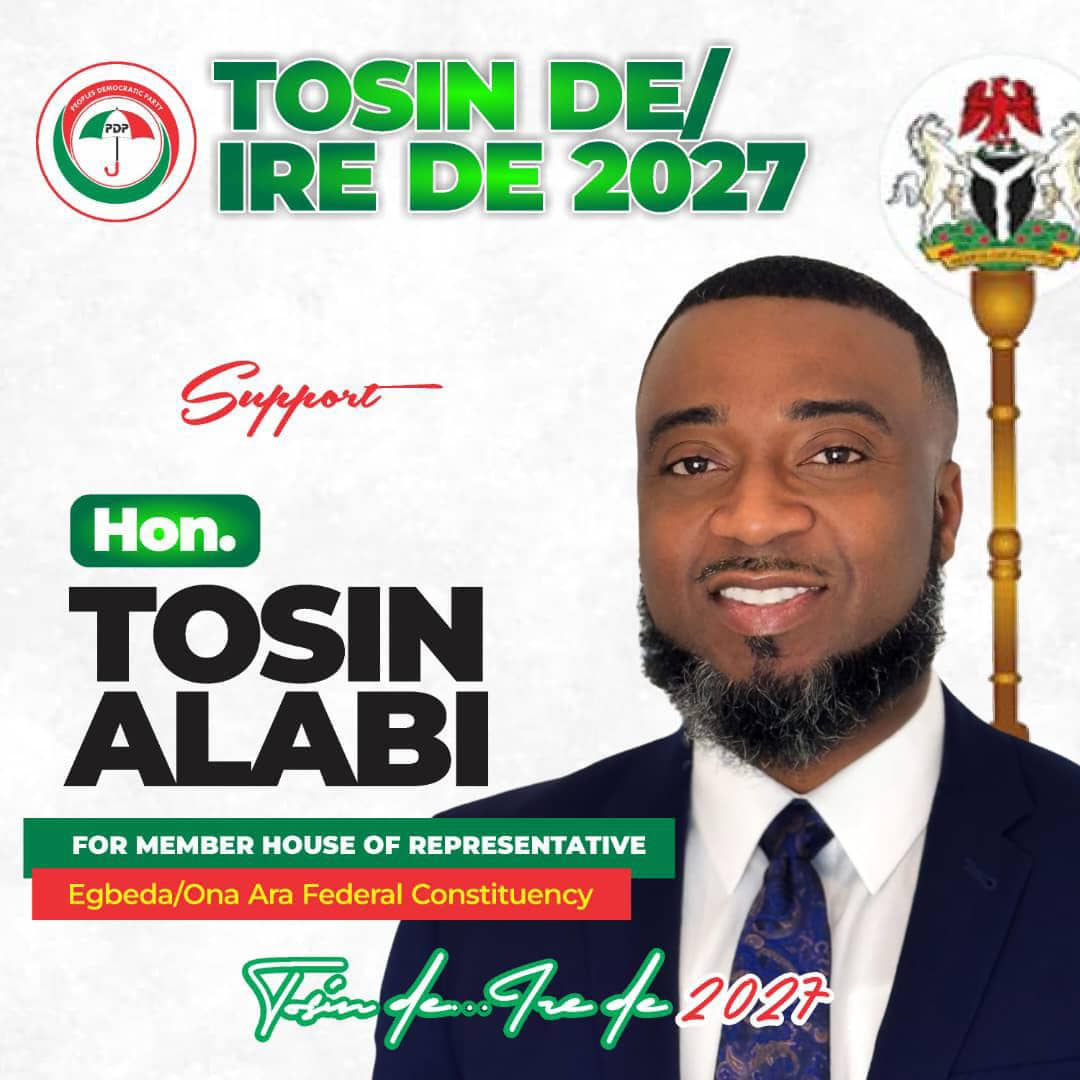
Chief Adelabu’s rejection of alleged extortion is commendable, but true integrity demands total disengagement from transactional spirituality. Political ambition should rest on service, competence, and the mandate of the people, not prophetic bargaining.
Ultimately, this controversy is not merely about extortion; it is about the misuse of religion in politics. Faith was never meant to be a campaign tool, and leadership secured through spiritual fear lacks both divine and democratic legitimacy.
“And whoever puts his trust in Allah, He is sufficient for him.” (Qur’an 65:3)
Nigeria deserves leaders whose faith guides their conduct, not ones who consult it only when convenient.
Amb. Mallam Ibrahim Agunbiade can be reached via agunbiadeib@gmail.com


